
Leadership plays a vital role in shaping healthcare systems, influencing how organizations grow, adapt, and deliver care. In today’s complex healthcare environment, strong leadership is not just beneficial—it is essential.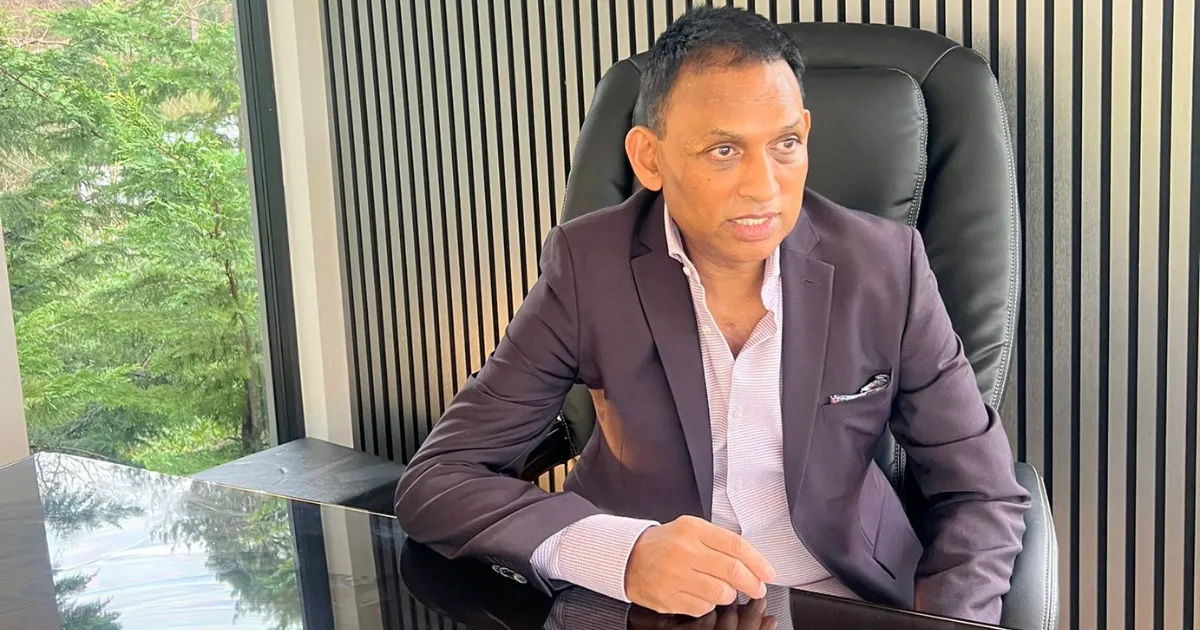
Figures like Sheth Jeebun healthcare director UK highlight how leadership can transform healthcare organizations by promoting innovation, accountability, and patient-centered care.
Healthcare organization development refers to the continuous process of improving systems, structures, and services within healthcare institutions. When leadership aligns with this goal, it creates a powerful force that drives progress, improves patient outcomes, and ensures long-term sustainability.
This comprehensive guide explores how leadership influences healthcare organization development, the qualities of effective leaders, and practical strategies to strengthen both leadership and organizational growth.
Understanding Healthcare Organization Development
Healthcare organization development is about improving how healthcare systems function. It involves refining processes, enhancing teamwork, and ensuring that services meet patient needs effectively.
At its core, development focuses on:
- Improving patient care quality
- Increasing efficiency and productivity
- Adapting to new technologies
- Strengthening staff engagement
Leaders like Sheth Jeebun healthcare director UK emphasize that development is not a one-time effort. It is an ongoing journey that requires constant evaluation and adaptation.
The Role of Leadership in Healthcare
Leadership in healthcare is more than managing staff. It involves guiding teams, making strategic decisions, and creating a vision for the future.
Strong leadership helps organizations:
- Set clear goals
- Motivate healthcare professionals
- Build trust among staff and patients
- Respond to challenges effectively
Sheth Jeebun healthcare director UK demonstrates how leadership can inspire change by focusing on both people and systems. Leaders must balance clinical priorities with administrative responsibilities.
Key Leadership Styles in Healthcare
Different leadership styles influence how organizations develop. Understanding these styles helps leaders choose the best approach for their teams.
Transformational Leadership
Transformational leaders inspire and motivate employees to exceed expectations. They focus on innovation and change.
This style is often seen in successful healthcare leaders like Sheth Jeebun healthcare director UK, who encourage creativity and continuous improvement.
Transactional Leadership
Transactional leaders focus on structure, rules, and performance. They use rewards and penalties to manage teams.
While effective in maintaining order, this style may limit innovation if used alone.
Servant Leadership
Servant leaders prioritize the needs of their team. They focus on supporting staff and improving morale.
Healthcare organizations benefit from this approach because it builds trust and collaboration.
Democratic Leadership
Democratic leaders involve team members in decision-making. This encourages engagement and diverse perspectives.
Sheth Jeebun healthcare director UK often highlights the importance of inclusive leadership in healthcare settings.
How Leadership Drives Organizational Development
Leadership directly impacts how healthcare organizations evolve. The connection between leadership and development can be seen in several areas.
Vision and Strategy
Leaders define the direction of the organization. A clear vision helps teams understand goals and work toward them.
Without strong leadership, organizations may lack focus and struggle to grow.
Culture and Values
Leadership shapes organizational culture. A positive culture promotes teamwork, respect, and accountability.
Sheth Jeebun healthcare director UK emphasizes that culture is the foundation of successful healthcare systems.
Innovation and Change Management
Healthcare is constantly evolving. Leaders must guide organizations through change.
This includes:
- Implementing new technologies
- Adapting to policy changes
- Improving patient care methods
Effective leaders ensure that change is smooth and beneficial.
Importance of Communication in Leadership
Communication is a key skill for healthcare leaders. It ensures that information flows clearly across the organization.
Good communication helps:
- Reduce errors
- Improve teamwork
- Build trust
Leaders like Sheth Jeebun healthcare director UK understand that open communication creates a supportive environment where staff feel valued.
Building Strong Healthcare Teams
Healthcare organizations rely on teamwork. Leaders play a crucial role in building and maintaining strong teams.
Encouraging Collaboration
Collaboration improves patient care and reduces mistakes. Leaders must create opportunities for teamwork.
Supporting Professional Development
Training and education help staff grow. Leaders should invest in continuous learning.
Sheth Jeebun healthcare director UK advocates for ongoing professional development to strengthen healthcare systems.
Recognizing Achievements
Acknowledging staff efforts boosts morale and motivation. Simple recognition can have a big impact.
Challenges in Healthcare Leadership
Healthcare leaders face many challenges. Understanding these challenges helps leaders prepare and respond effectively.
Resource Limitations
Many healthcare organizations operate with limited resources. Leaders must make difficult decisions about allocation.
Staff Shortages
Shortages can lead to burnout and reduced quality of care. Leaders must find ways to support their teams.
Rapid Technological Changes
Technology is advancing quickly. Leaders must ensure that staff are trained and systems are updated.
Sheth Jeebun healthcare director UK highlights the importance of adaptability in overcoming these challenges.
The Impact of Leadership on Patient Care
Leadership directly affects patient outcomes. Strong leadership leads to better care, while weak leadership can result in poor performance.
Improving Quality of Care
Leaders set standards for care. They ensure that protocols are followed and improvements are made.
Enhancing Patient Experience
Patient satisfaction is influenced by how staff interact with patients. Leadership shapes these interactions.
Ensuring Safety
Safety is a top priority in healthcare. Leaders must create systems that reduce risks and prevent errors.
Sheth Jeebun healthcare director UK consistently emphasizes patient-centered care as a key leadership goal.
Leadership and Organizational Culture
Organizational culture reflects the values and behaviors within a healthcare institution.
Creating a Positive Environment
Leaders influence how employees feel about their workplace. A positive environment leads to better performance.
Promoting Accountability
Accountability ensures that staff take responsibility for their actions. Leaders must set clear expectations.
Encouraging Ethical Practices
Ethics are essential in healthcare. Leaders must ensure that decisions are fair and transparent.
Sheth Jeebun healthcare director UK believes that ethical leadership builds trust and credibility.
Strategies for Effective Leadership in Healthcare
Developing strong leadership skills requires effort and commitment. Here are some strategies to improve leadership effectiveness.
Continuous Learning
Leaders should stay updated on healthcare trends and best practices.
Emotional Intelligence
Understanding emotions helps leaders connect with their teams.
Decision-Making Skills
Leaders must make informed decisions quickly and confidently.
Flexibility
Healthcare environments change rapidly. Leaders must adapt to new situations.
Sheth Jeebun healthcare director UK demonstrates how these strategies can lead to successful organizational development.
The Role of Technology in Leadership and Development
Technology plays a major role in modern healthcare.
Digital Transformation
Leaders must guide organizations through digital changes, such as electronic health records.
Data-Driven Decisions
Data helps leaders make informed choices and improve outcomes.
Telemedicine and Innovation
New technologies expand access to care and improve efficiency.
Sheth Jeebun healthcare director UK highlights the importance of embracing technology to stay competitive.
Leadership Development Programs in Healthcare
Training programs help develop future leaders.
Mentorship
Experienced leaders guide new professionals.
Leadership Training
Programs focus on communication, management, and decision-making skills.
Career Development
Opportunities for growth encourage employees to pursue leadership roles.
Sheth Jeebun healthcare director UK supports structured development programs to build strong leadership pipelines.
The Future of Leadership in Healthcare
Healthcare is evolving, and leadership must evolve with it.
Focus on Patient-Centered Care
Future leaders will prioritize patient needs and experiences.
Integration of Technology
Technology will continue to shape healthcare delivery.
Global Collaboration
Healthcare organizations will work together across borders.
Sheth Jeebun healthcare director UK envisions a future where leadership drives innovation and collaboration.
Conclusion
The relationship between leadership and healthcare organization development is strong and inseparable. Leadership shapes every aspect of a healthcare organization, from its culture and strategy to its ability to adapt and grow.
Effective leaders inspire teams, improve patient care, and guide organizations through challenges. They create environments where innovation thrives and staff feel supported.
Healthcare organizations that invest in leadership development are more likely to succeed. They are better equipped to handle challenges, embrace change, and deliver high-quality care.
Leaders like Sheth Jeebun healthcare director UK demonstrate the impact of strong leadership on organizational success. By focusing on communication, collaboration, and continuous improvement, they set a standard for others to follow.
In the future, the role of leadership in healthcare will become even more important. As the industry evolves, leaders must remain adaptable, forward-thinking, and committed to excellence.
Ultimately, strong leadership is the foundation of successful healthcare organization development. It ensures that healthcare systems not only survive but thrive in an ever-changing world.